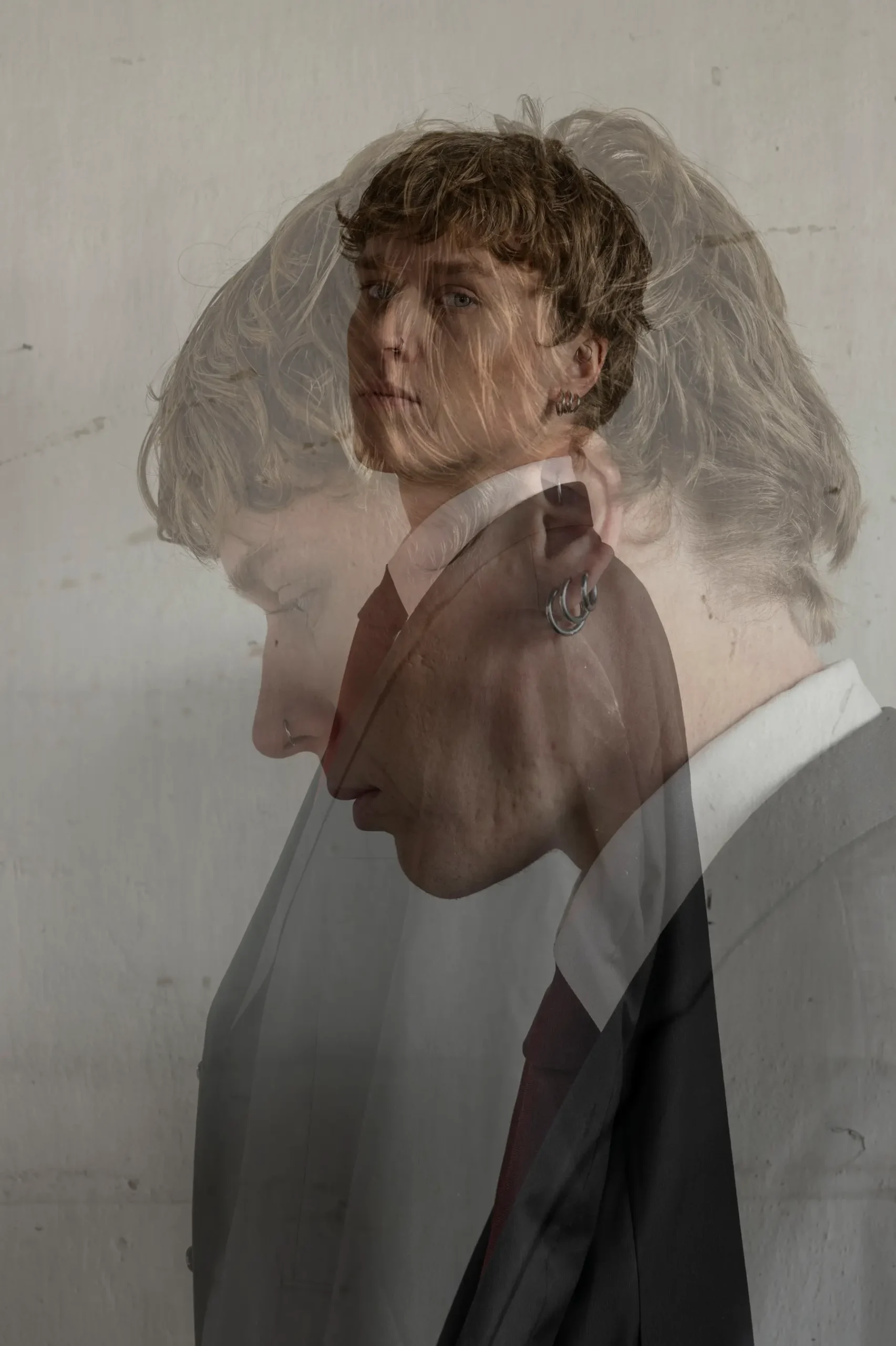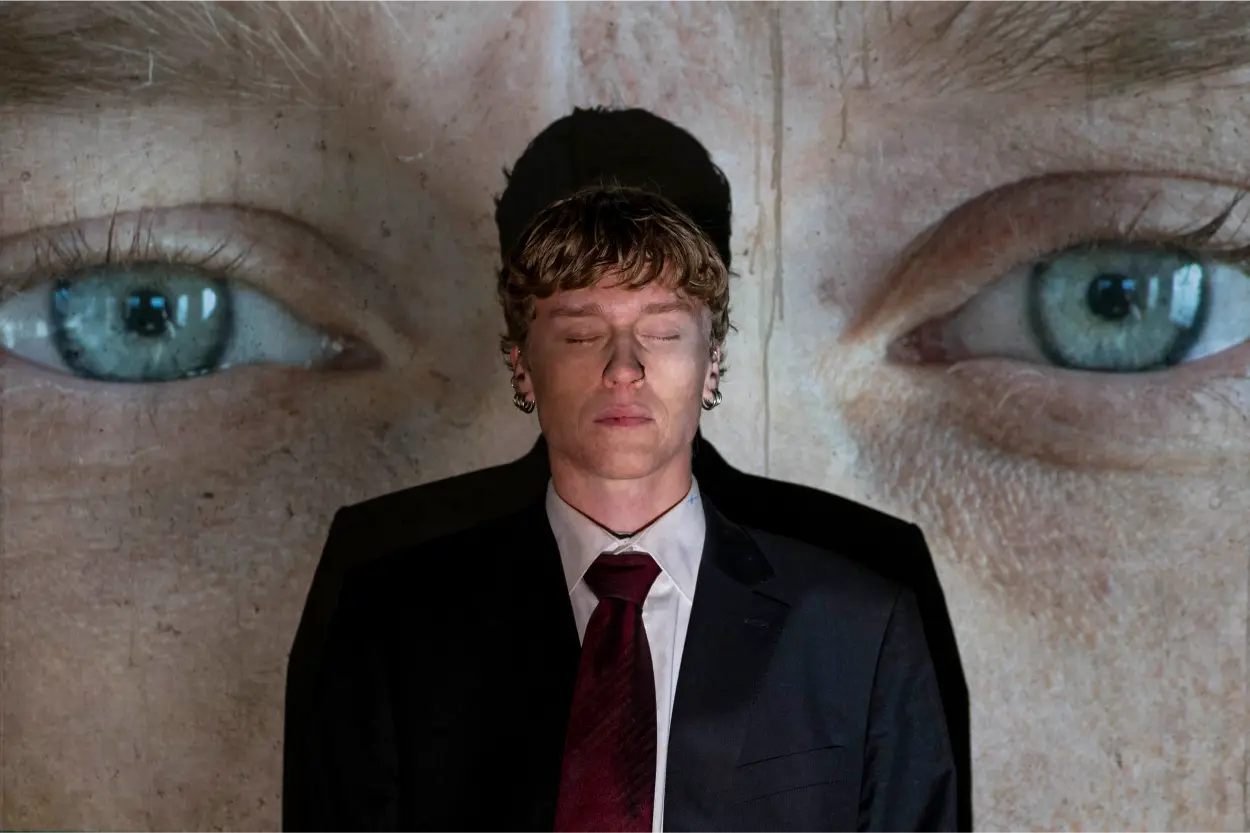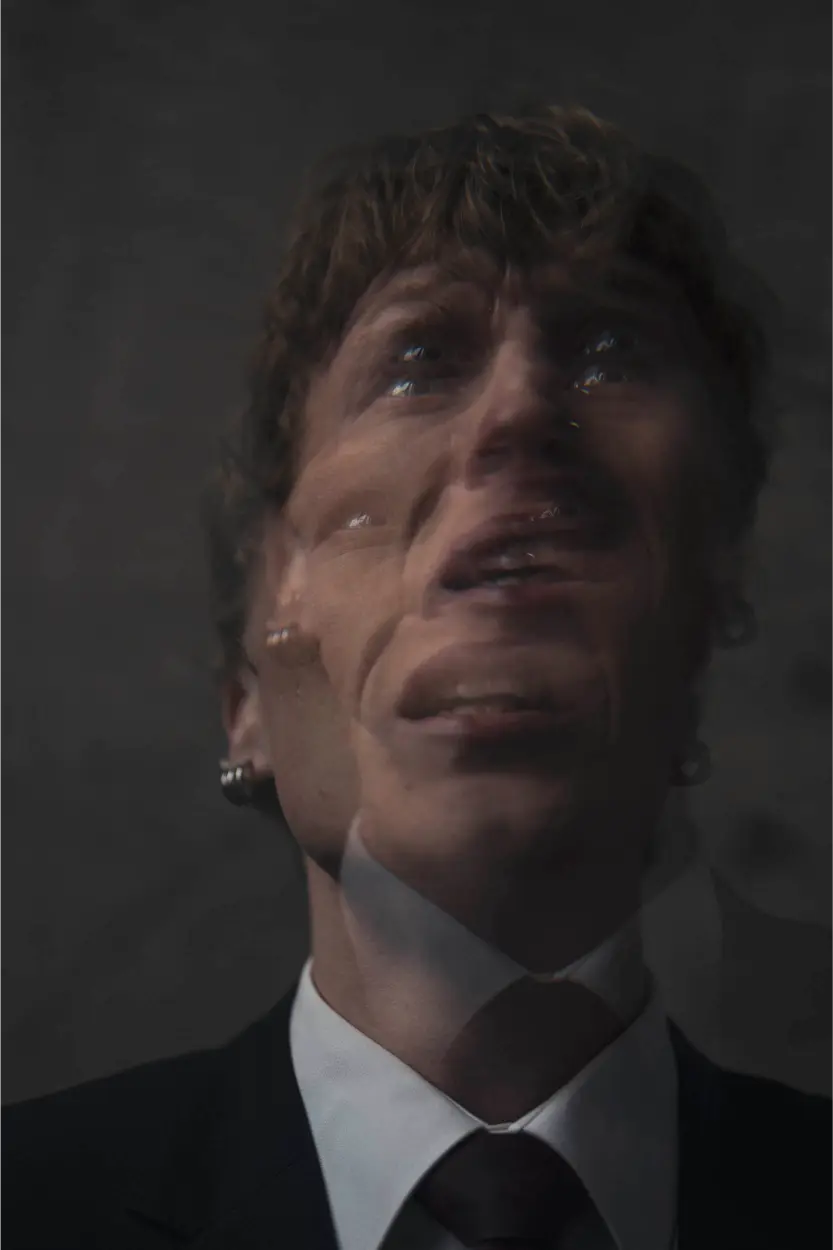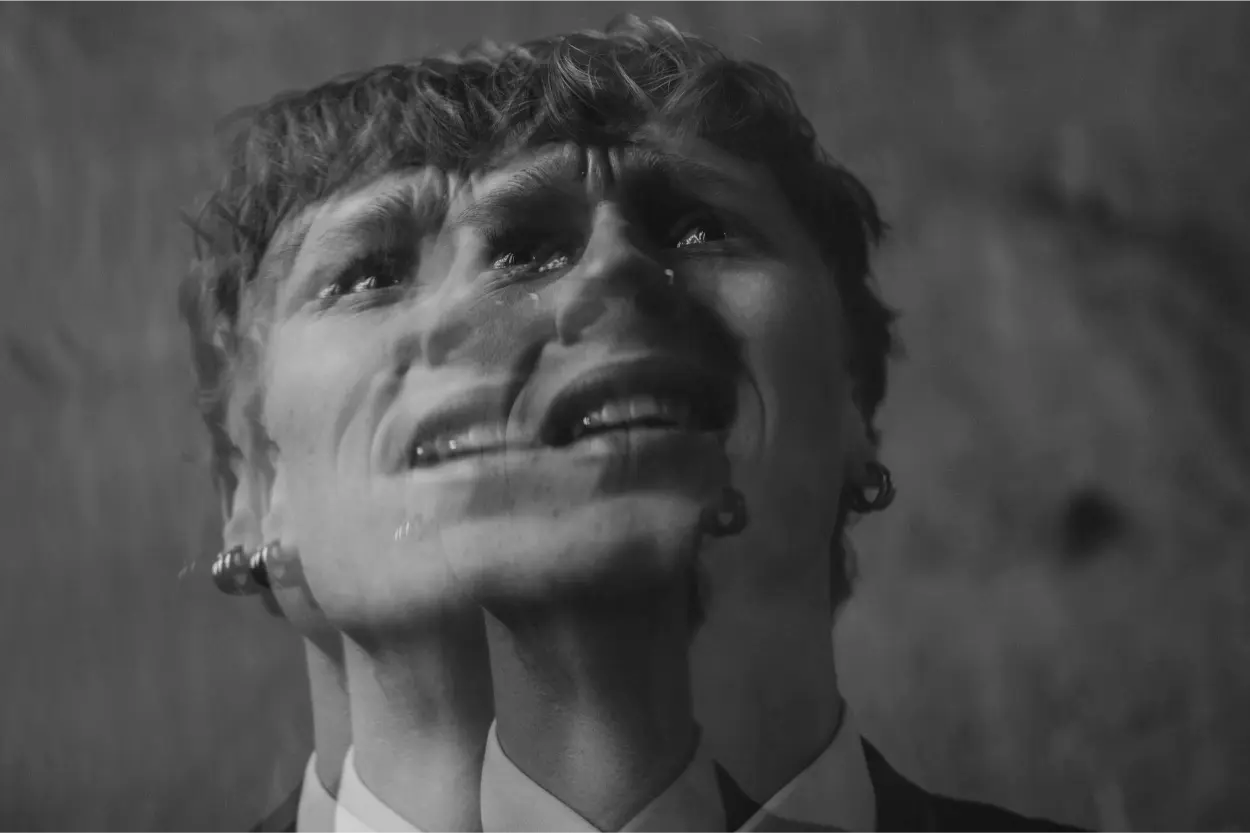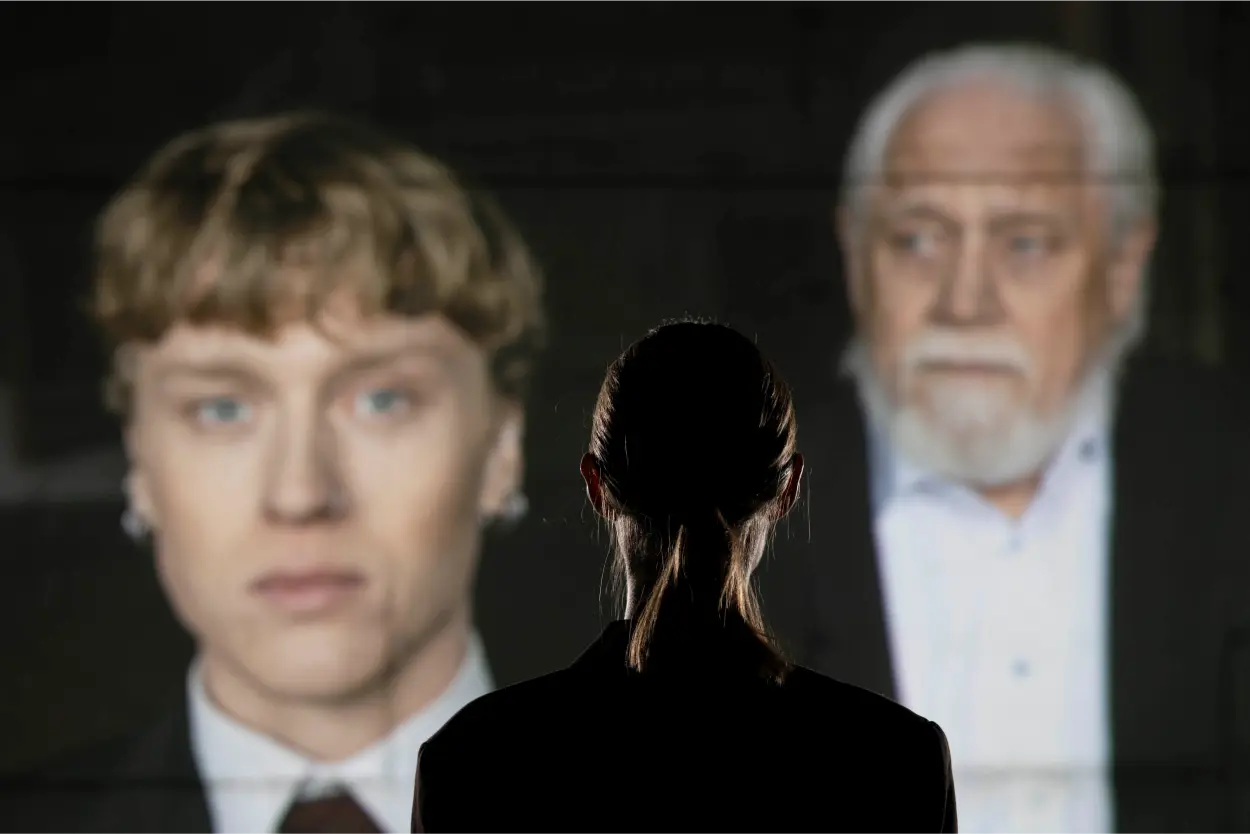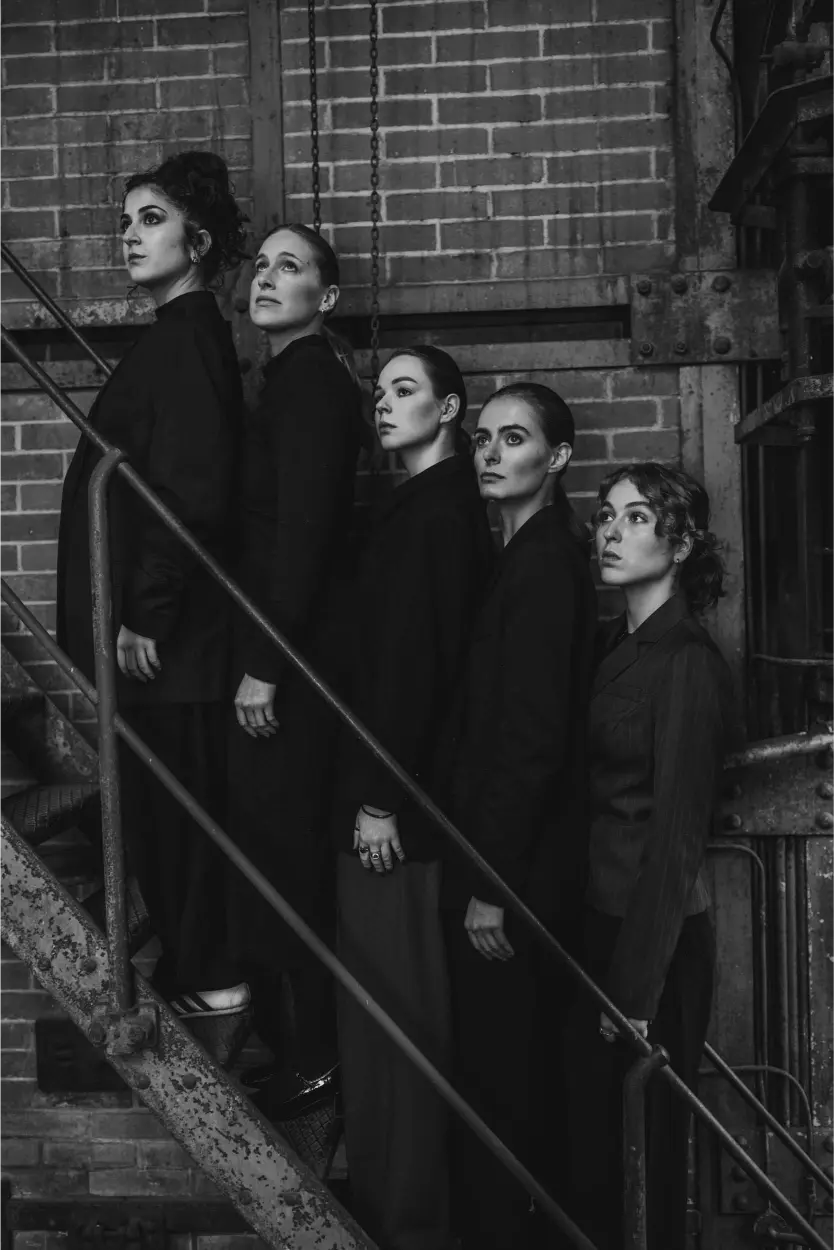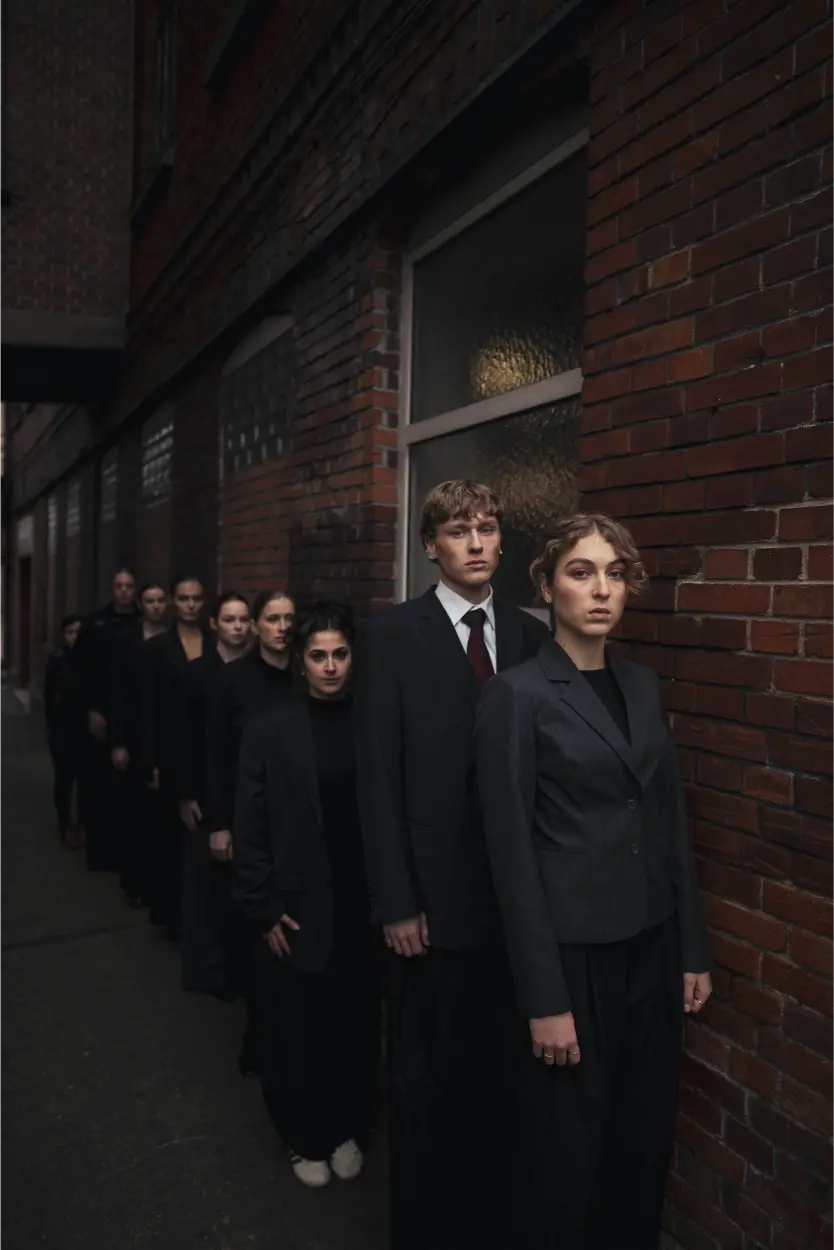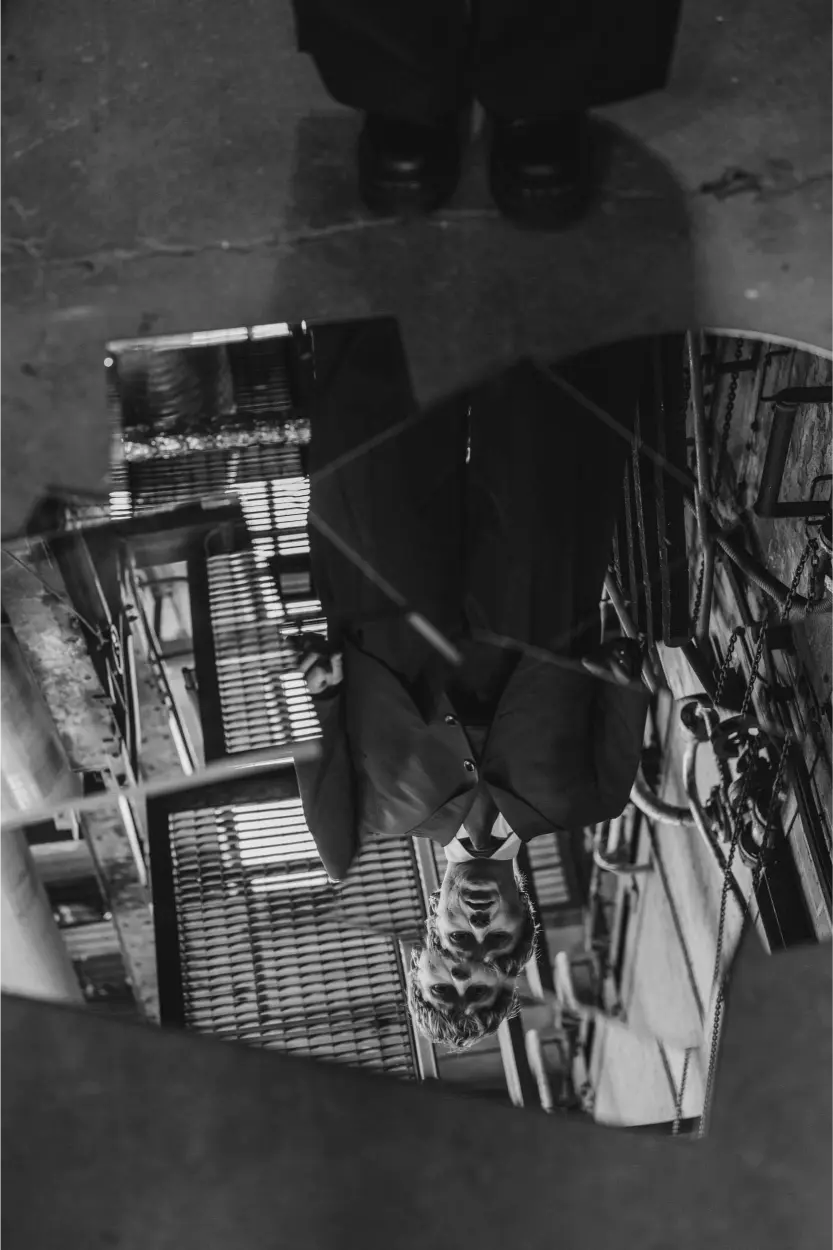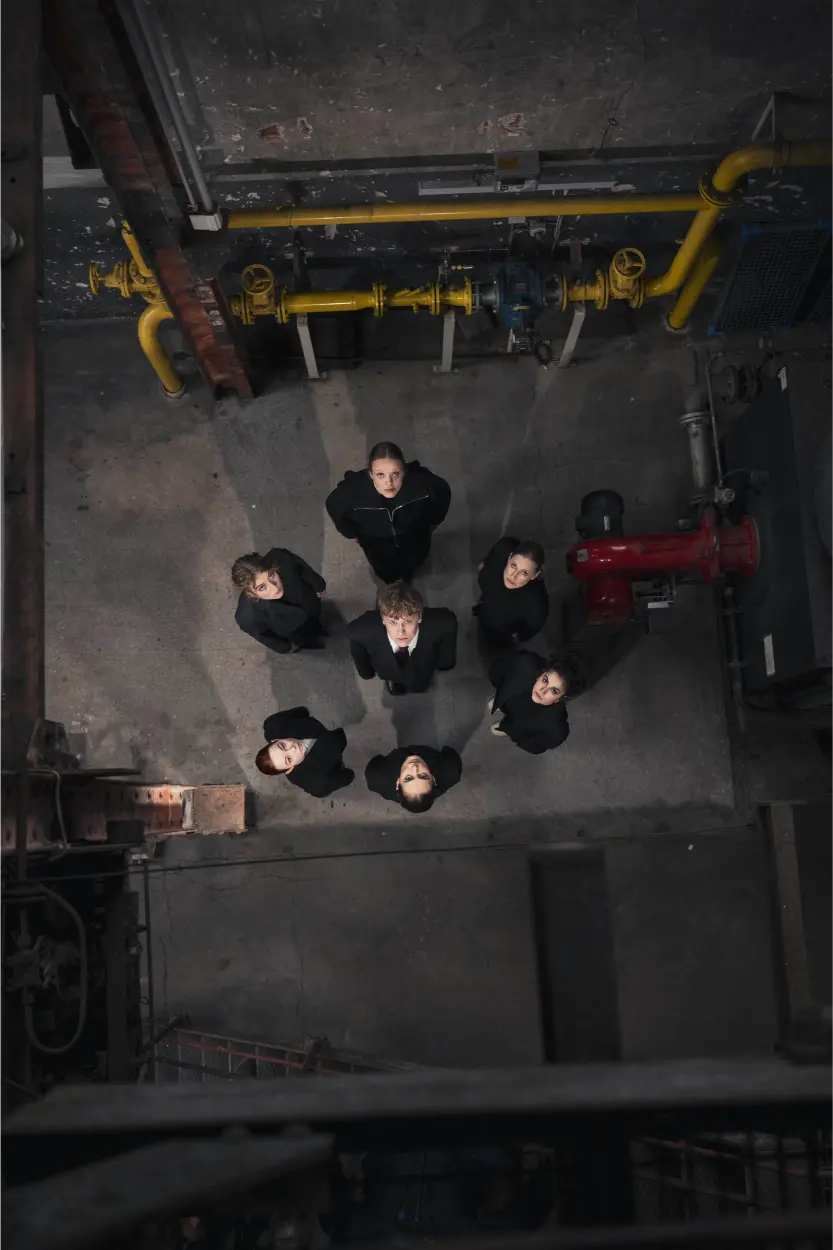
Seventy-four students from Hochschule der Medien spent an entire semester developing a campaign inspired by one of the most influential books of the 20th century: 1984 by George Orwell. The project is the culmination of an extensive 360-degree campaign at the university comprising design work, casting, fitting, photography, retouching, layout, film, social media channels, digital printing, binding, and finishing, all carried out by students.
The campaign aims to translate the central, timeless themes of 1984 into today’s media landscape, making them accessible to contemporary audiences in creative and engaging ways. In doing so, it demonstrates the continued relevance of this classic work in the digital age and encourages critical public discussion.
The media campaign was designed and produced through collaboration between students from six Bachelor programmes as a core component of the wide-ranging study course Campaign Management, conducted by Prof. Dr. Volker Jansen.
For our campaign about 1984 by George Orwell, we sought to capture the central idea of the novel: how an individual can gradually lose trust in their own thoughts and begin accepting whatever a powerful system declares to be true. To illustrate this transformation, the students developed a cohesive concept that appears across every medium of the campaign.
The concept is structured around five phases, each representing a step in the progressive erosion of personal reality. The phases trace the individual’s journey from confidence in their own perception, to growing doubt, and finally to complete acceptance of a system-defined truth.
Through this framework, the campaign visualizes how the Orwellian world of 1984 shapes the human mind and how easily one can lose their sense of self when truth is no longer their own.
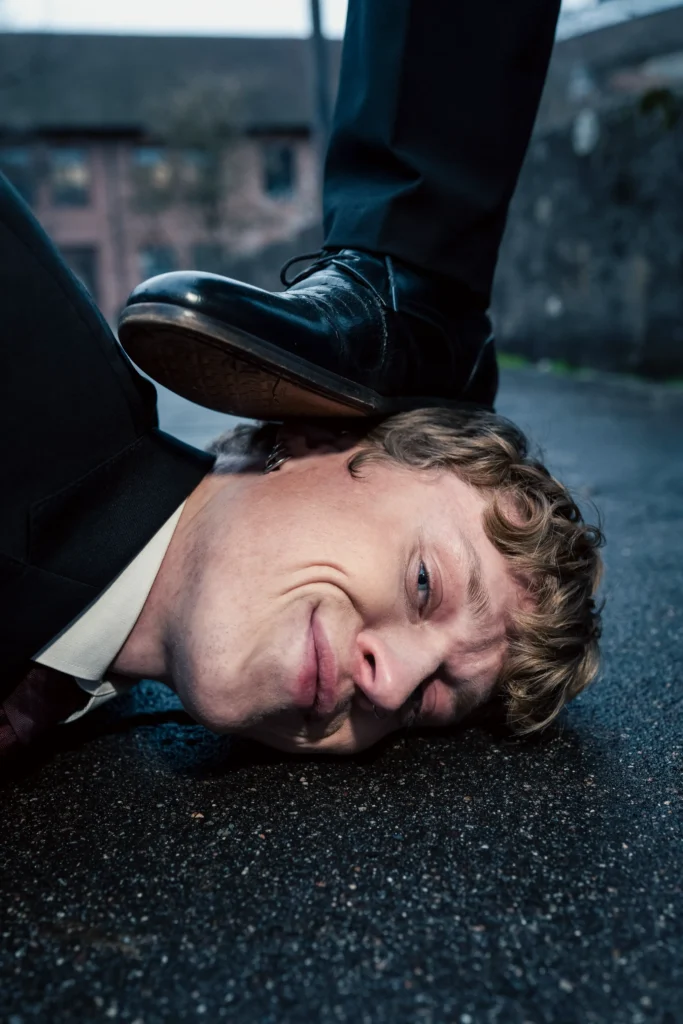
The individual places complete faith in the system that shapes every perception and experience. The world appears orderly, benevolent, and efficient, a reality in which control disguises itself as comfort, and obedience passes effortlessly for security.
Minor inconsistencies creep in like hairline fractures, subtle enough to ignore yet impossible to dismiss. The individual begins to sense a presence watching from behind every certainty, a system that sees too much, knows too deeply, and directs too precisely to be natural. A cold tremor of suspicion settles in, unsettling the very foundations of what once seemed unquestionably real. The first shadows lengthen.
Contradictions no longer appear, they swarm. Official truths twist overnight, devouring their predecessors without acknowledgment. The familiar world loses its anchor as facts dissolve and re-form at the system’s command. Memory offers no refuge; logic provides no map. Reality buckles and distorts until the individual feels suspended in a void where nothing remains stable, and the mind begins to lose its shape.
With the final collapse of coherent reality, the individual is forced to face the enormity of the system’s manipulation. A suffocating weight settles over the spirit, the realization that every suspicion was foreseen, every emotion engineered, every impulse intercepted. Resistance reveals itself as a meaningless gesture swallowed long before it reached the surface. Control is total. In the dimness that follows, the self retreats into silence, hollowed out and barely recognizable.
Worn down and emptied of defiance, the individual surrenders to the imposed reality. What once was questioned is now simply endured. The system becomes not merely pervasive but permanent, the sole architect of truth, to which the individual yields completely.
Wolf-Peter is a whirlwind of ideas and creativity, an award-winning photographer who designs photo productions for advertising, fashion and lifestyle. He started at the age of 6 when he got his first photo lab. After his studies at Hochschule der Medien he became freelance and now runs his own workshop. He has presented work at numerous national and international exhibitions and gives lectures in film and photography at university level.
Rahel has made a name for herself as a make-up artist and hairstylist especially in the world of fashion and beauty. Her work has been published in international fashion magazines, in advertising and corporate films. She also specializes in hair and make-up for TV and video productions. In 2014, she began working as a ‘photo-artist’, creating multi-textured photographic experiences. Rahel is best known for her warm personality. She is all about finding creative solutions and fitting perfectly within the team dynamic.
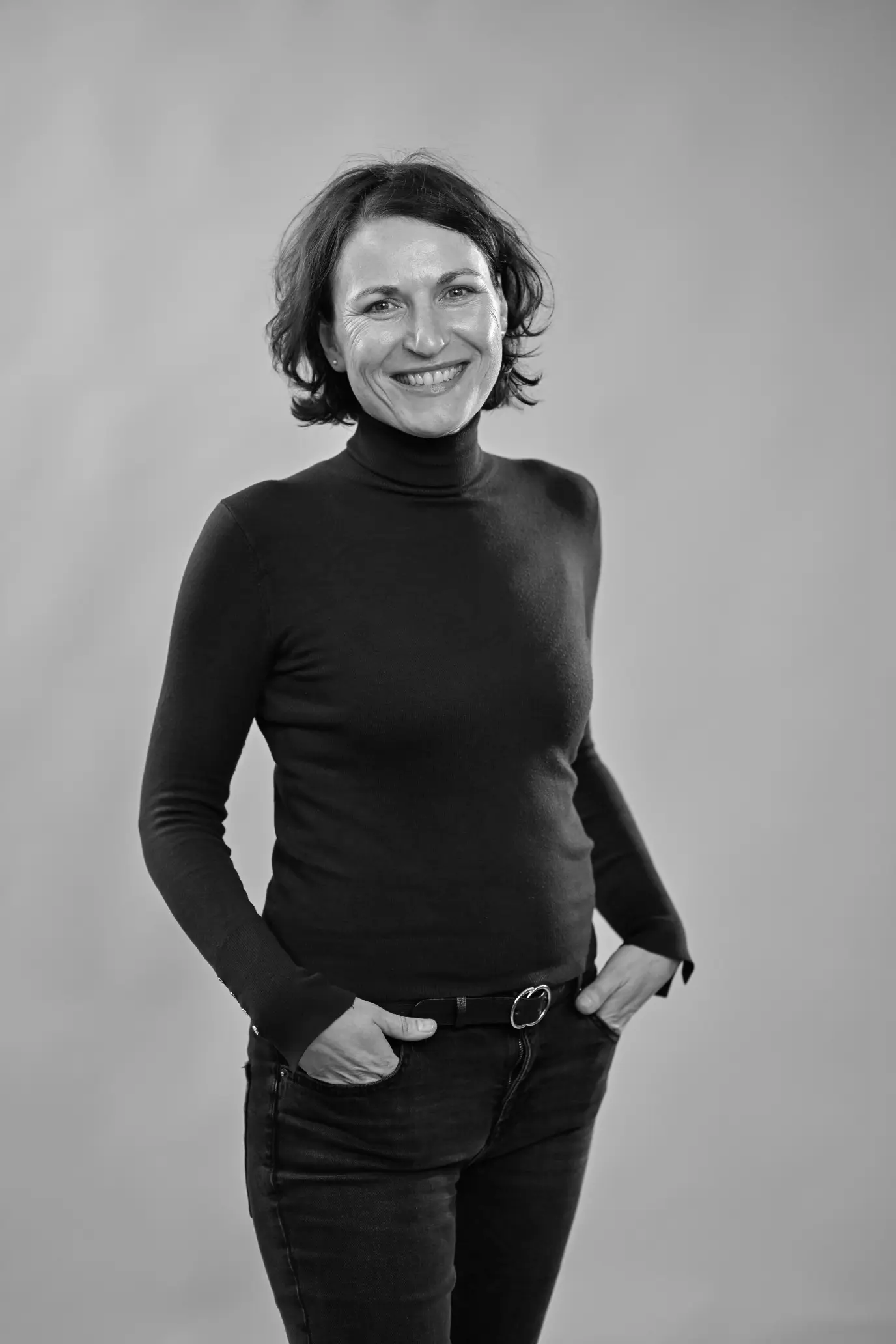
Nadine Krüger is a talented layout designer with extensive experience across agencies, graphic design studios, publishing houses, and software companies. Her work is driven by an unconventional approach to the design of communication processes. In addition to her professional practice, she advises and supports students, sharing her broad expertise and industry insight.
Peter Steinheißer
Nadine Krüger
We developed a concept for the social media platforms Instagram and TikTok to illustrate the “shifting” realities depicted in George Orwell’s Nineteen Eighty-Four through the lens of contemporary 21st-century media. On Instagram, we created content exploring five stages of the novel, highlighting the key concepts associated with each stage, and presenting perspectives from both the protagonist, Winston, and the totalitarian system portrayed in the story. On TikTok, which emphasizes short-form video content, we share behind-the-scenes episodes that provide additional context and insights. Through these two platforms, our goal is to demonstrate how narratives can shape and influence audience perception.
Carina Mayer, Djey Mendonça, Fabienne Zeller, Jannik Schmitt, Jennifer Sellmann, Kira Feddersen, Konstantin Holonko, Lia Fuzum, Maike Brey, Merve Karadeniz, Mia Kucher, Nila Javanshad, Mariam Abboud
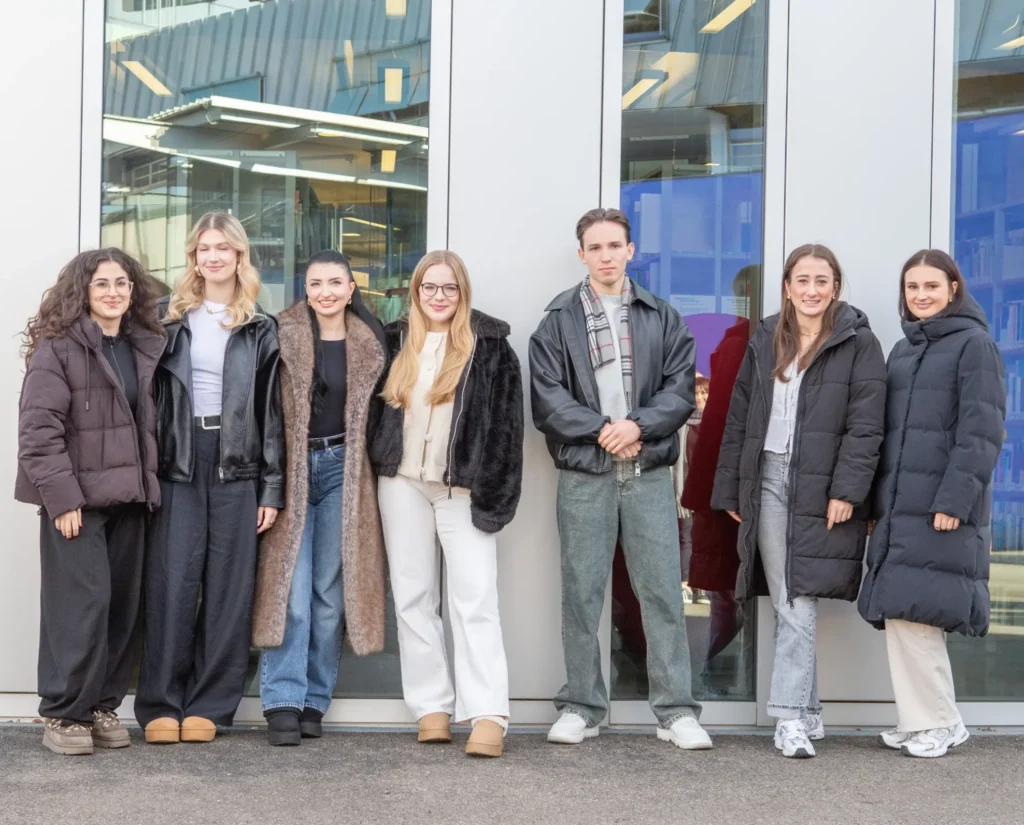
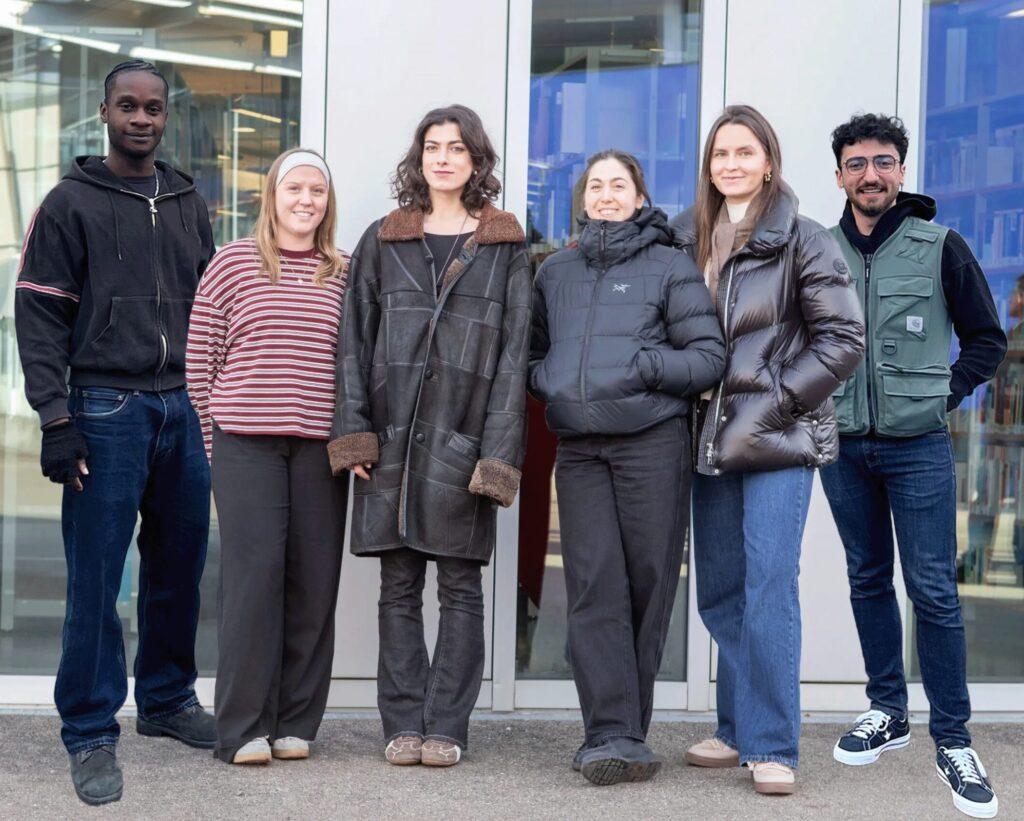
We aimed to develop and design an interactive website as the digital home for our project, representing our interpretation of George Orwell’s Nineteen Eighty-Four. Our goal was to convey our personal reception of the novel. Using WordPress, we crafted the website to maximize visual impact while prioritizing interactivity and user experience, reflecting the theme of control. The site is designed to evoke the unsettling sensation of constant surveillance, as depicted in the book. To further immerse users, we incorporated disturbing soundscapes and propaganda-style music, enhancing the overall eerie and oppressive atmosphere.
Sarah Eldem, Victor Torkornoo, Sude Uslu, Emily Seemann, Tuna Candir, Florin Braun
We were responsible for bringing the campaign’s visual identity into the physical realm. Our task was to translate the digital concept into a highly refined book that immerses the reader in an Orwellian world. The complete production of all print materials was carried out in our facilities, the Production Space, at Hochschule der Medien, encompassing every stage from prepress and printing to bookbinding.
To achieve this, we operated our digital printing press and perfect binder according to precise specifications. We conducted colour separation, raster image processing, colour accuracy control, and final print quality assessment. Each step of the workflow was executed with meticulous attention to detail, ensuring that the finished book faithfully represented the tone, texture, and depth envisioned in the original creative concept.
Batist Toch, Cemil-Yasar Nemez, Emre Mert Celik, Franzisca Dosch, Jannik Schmitt, Joyce Tumalcay, Julia Starnecker, Krunal Dhaduk, Laura Löschner, Levin Fuss, Lilly Weickert, Malik Rehman, Mandy Tran, Mehdi Kenan Aklamis, Merve Karadeniz, Raoul Sukosd, Reza Kianiboujeni, Sezar Yen Torun, Tarik Karadan, Tosca Halbnerr Aklamis, Cemil-Yasar Nemez
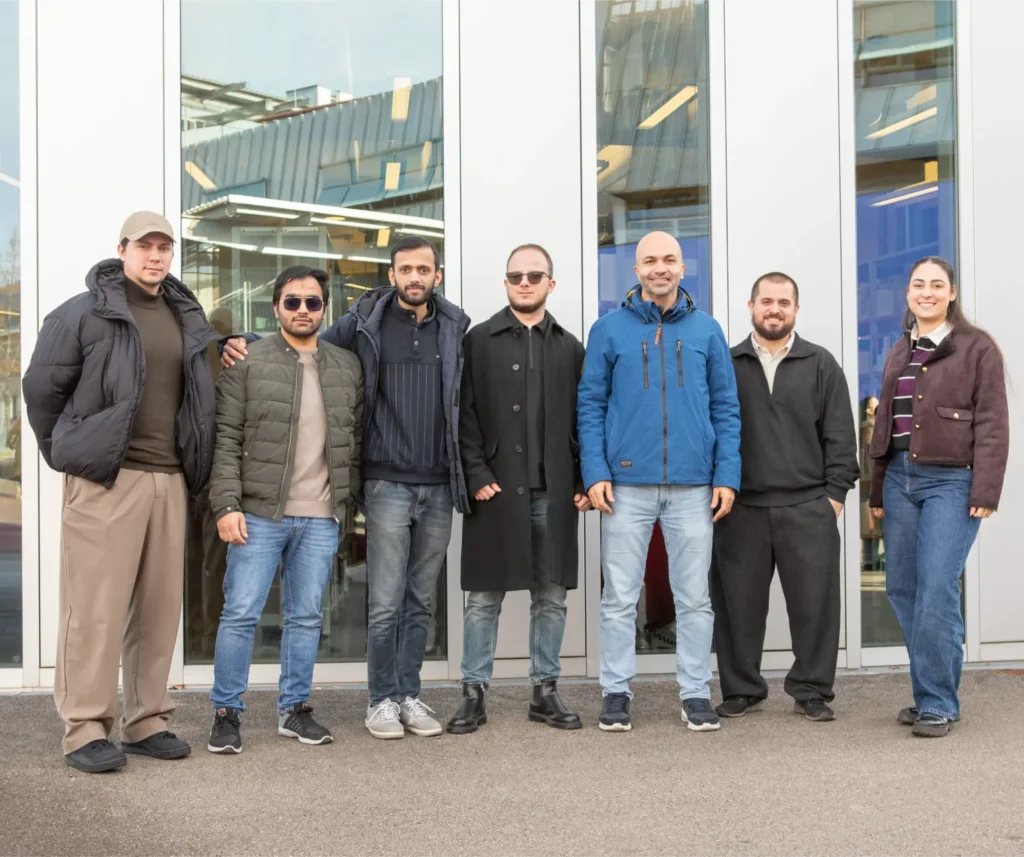
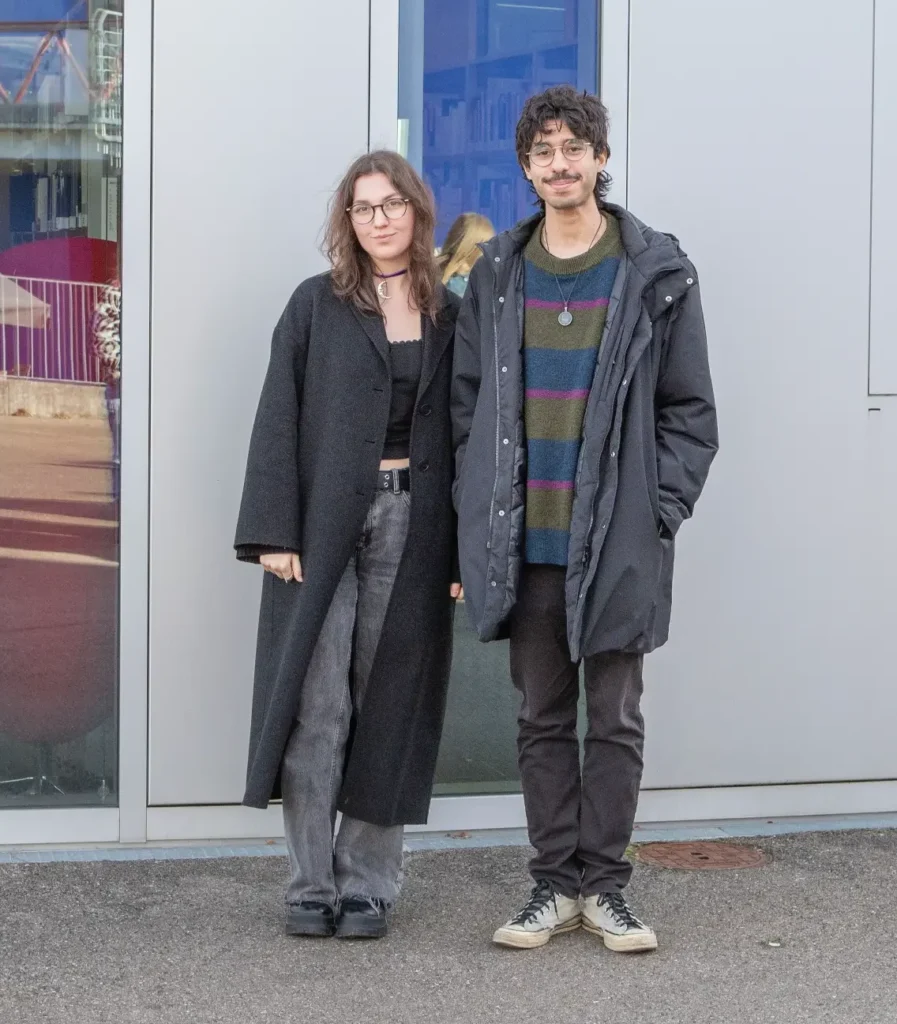
We assumed responsibility for the retouching of the images, establishing a consistent visual language and ensuring that the campaign’s themes and core concept were articulated as intended by the shooting group and the photographer. Through carefully applied colour grading, we shaped the images in accordance with the campaign’s original artistic vision. In essence, we compiled, refined, and prepared the visual material so that it could be seamlessly integrated and utilised by the other teams throughout the project.
Eduardo Rojas, Ermira Memishi, Helena Hagen, Joyce Tumakay, Katrin Kromm, Kristaps Duselis, Krunal Dhaduk, Liane Beck, Liliia Mykhailenko, Lukas Molitor, Malik Rehman, Miriam Stulia, Morik Mokung, Raoul Sukosd, Will Smith
We were responsible for translating the project’s cinematic vision into a compelling Orwellian visual experience and developed the film’s overarching concept to complement the experience of reading the book, adding an additional narrative dimension through motion. Our work encompassed scriptwriting, comprehensive production planning, and the organisation of all essential elements, including actors, locations, equipment, and camera setup.
We supervised the entire filming process to ensure smooth and efficient execution on set. Following production, we managed the editing and post-production stages. Ultimately, we ensured that the final film enhanced and extended the project’s narrative and creative intention in a coherent and impactful manner.
Aleksander Sprouse-Mickevicius, Djey Mendonça, Dominik Türk, Dorottya Harsányi, Emre Celik, Kira Feddersen, Kristaps Duselis, Stan Van de Wouwer, Mateo Pejic, Moritz Mötzung, Vincent Frank, Ermira Memishi
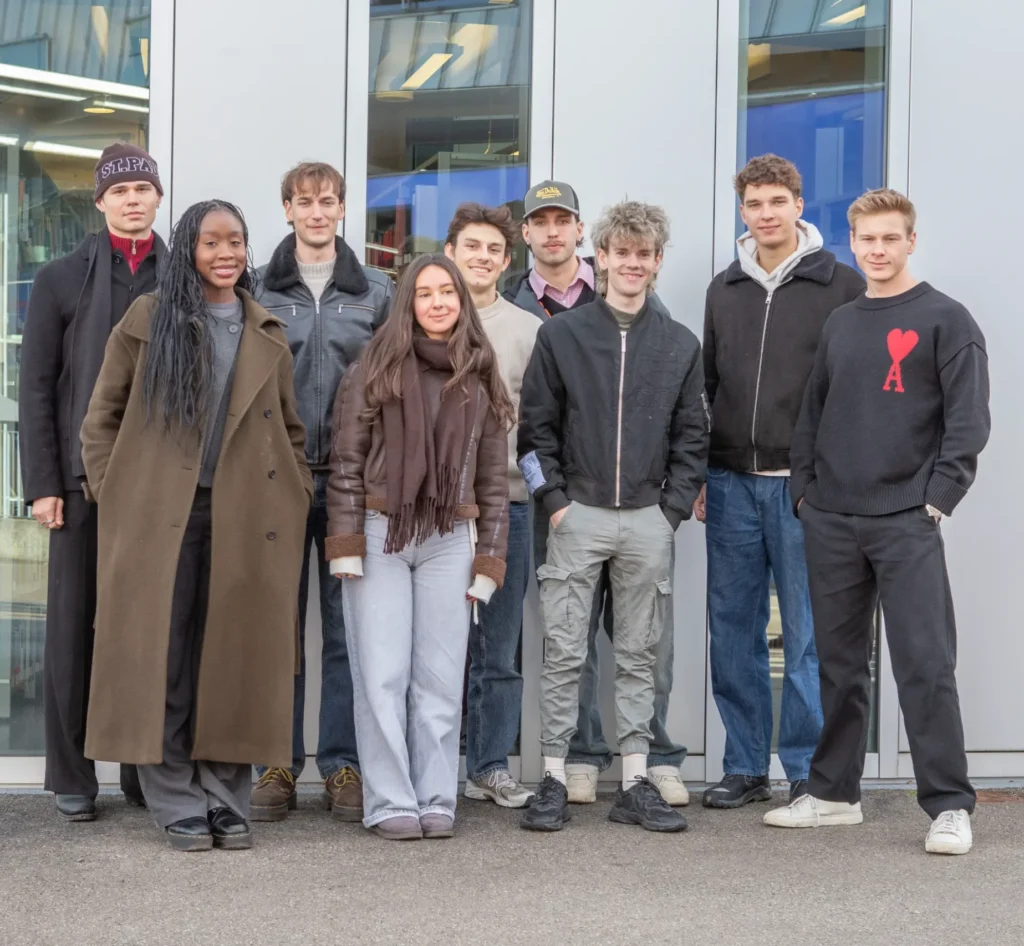
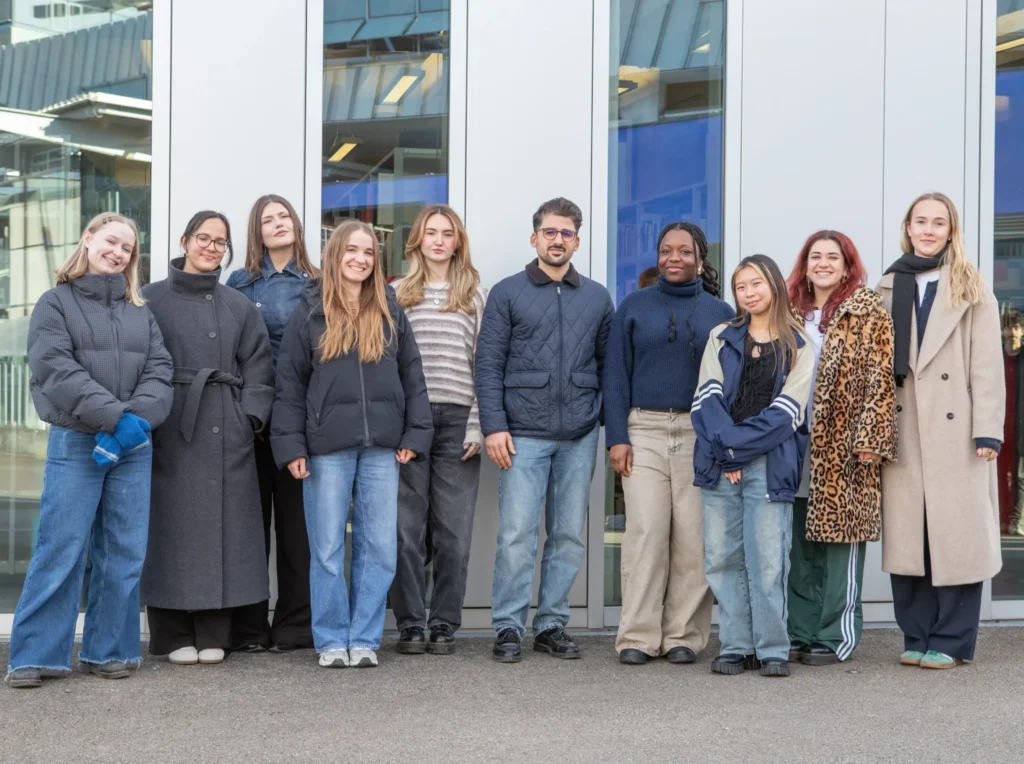
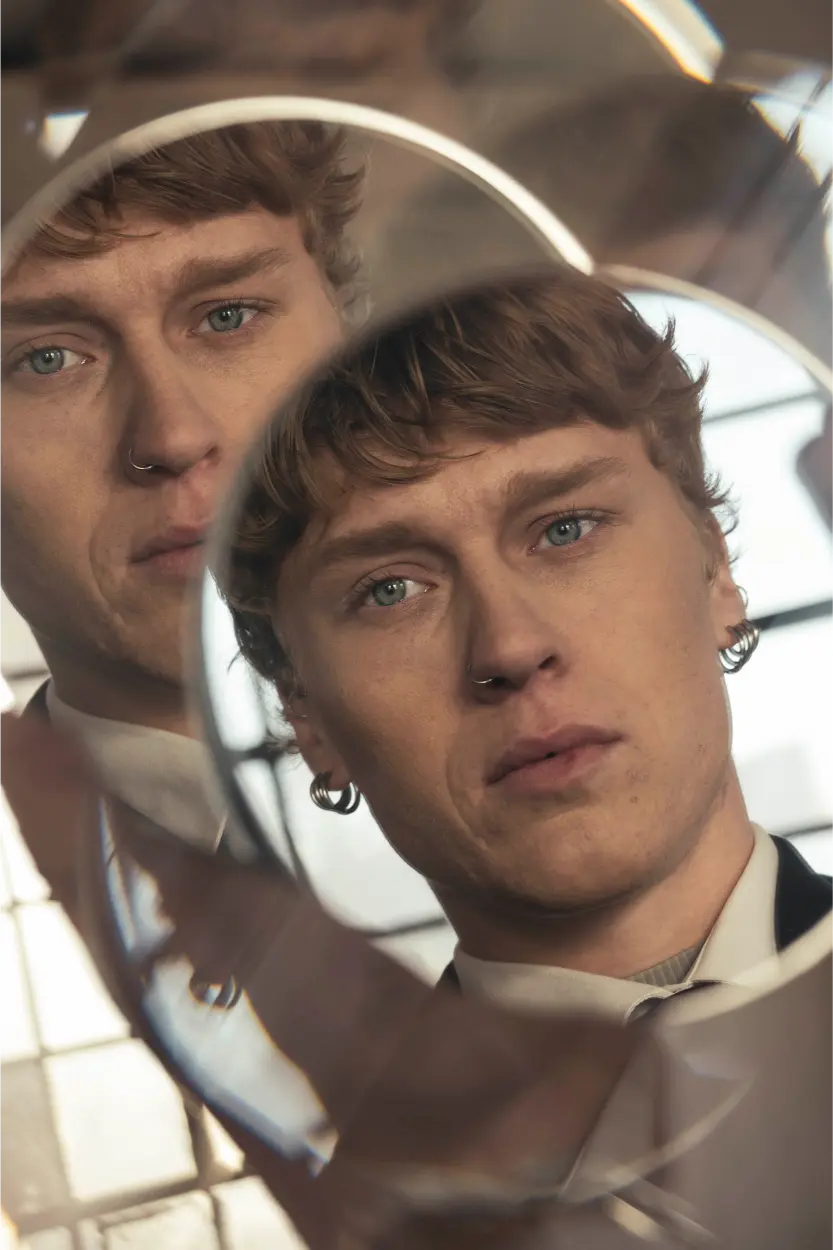
We were responsible for bringing the project’s visual concept to life. This involved preparing the entire photoshoot, casting the models, developing Orwellian photographic motifs, and defining the overarching visual style. We organised all on-set requirements, including wardrobe, props, styling, hair and make-up, as well as scheduling, location coordination, and logistical planning to ensure an efficient production workflow.
We collaborated closely with the other project groups to serve as the link between conceptual development, talent, and technical production, ensuring that creative intentions were consistently translated into visual form. We also oversaw on-set direction, supported the photographer in realising the planned compositions, and maintained continuity across all shots.
Ultimately, we ensured that the final photographs aligned precisely with the project’s creative vision and met the aesthetic and technical standards required for use across the entire campaign.
Annalena Temp, Cemil Yasar Nemez, Emira Memishi, Giulia Koch, Helena Hagen, Jasmin Hirth, Kathleen Frank, Katrin Kromm, Liane Beck, Lova Wallin, Mandy Tran, Mehdi Kenan Akkamis, Mia Kucher, Miriam Stulik, Raissa Suyam, Sandra Alkner
We were responsible for translating the project’s visual and conceptual ideas into a clear and cohesive Orwellian magazine design. Our work included defining the magazine’s overall format and appearance, developing layout and cover concepts, and organising both written and visual content to achieve a unified aesthetic.
Acting as the connection between the creative teams and the printing group, we ensured that the design aligned with the artistic direction while remaining technically feasible for production. Throughout the process, we refined the magazine’s structure, narrative flow, and visual hierarchy, preparing the publication for final production with precision and consistency
Batist Toch, Franziska Dosch, Jessica Pohl, Julia Starnecker, Laura Löschner, Lena Hertenberger, Levin Fuss, Lilly Weickert, Lukas Molitor, Peerapat Tanatan, Tosca Halbherr
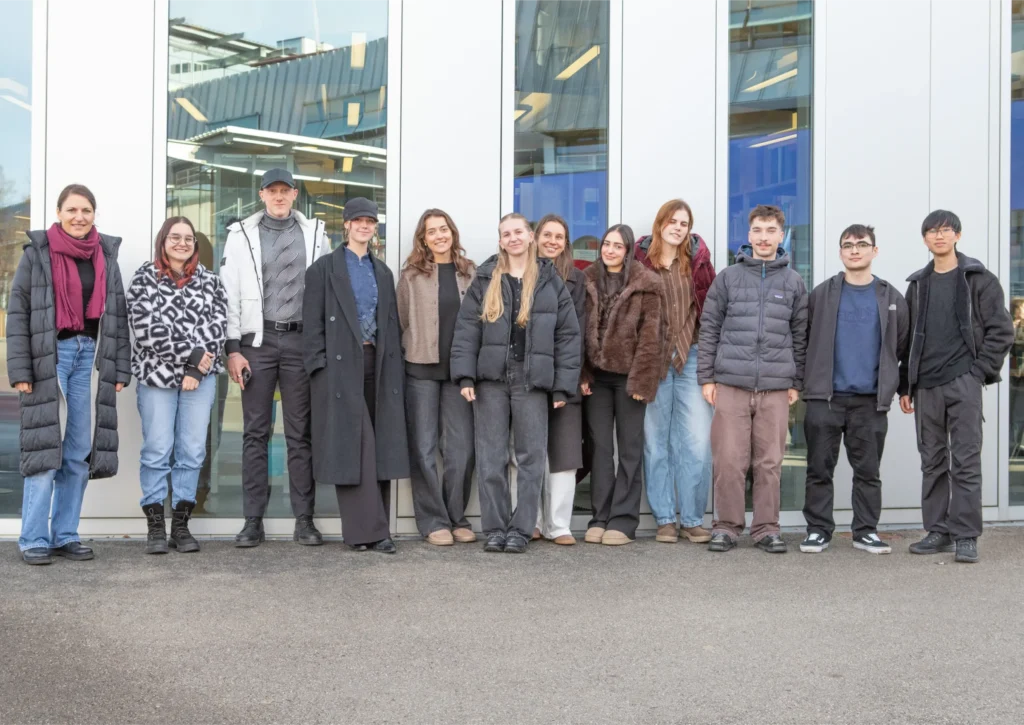
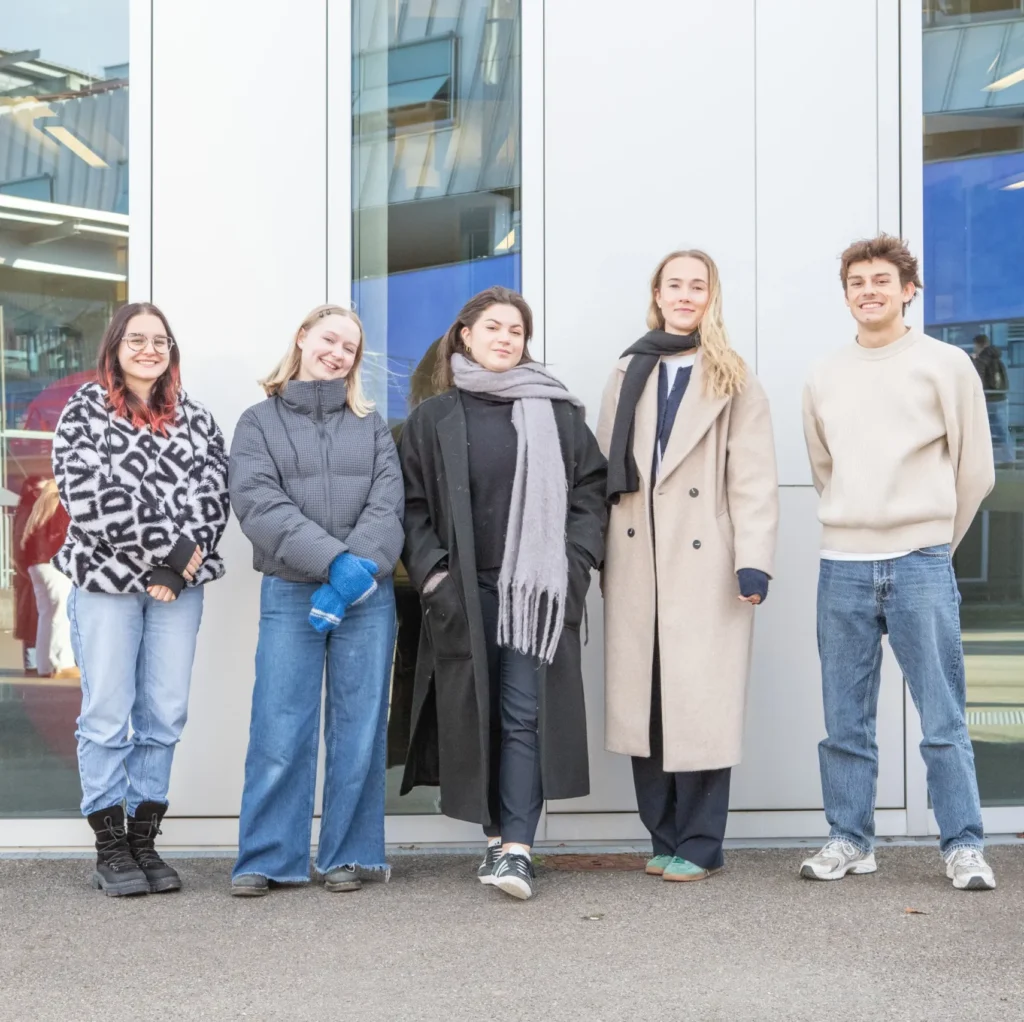
We were responsible for presenting our project at Hochschule der Medien’s major event, the Media Night on 29 January 2026. We planned and organised an immersive exhibition designed to showcase both the book and the film at the centre of our project. Our responsibilities included developing a comprehensive exhibition concept, designing the visual and interactive elements, preparing and arranging the physical space, and coordinating all technical and organisational aspects of the event.
The exhibition features carefully crafted interactive experiences that invite visitors to step into the world of George Orwell’s 1984, offering a compelling and atmospheric encounter with the project’s themes. Through this installation, we aim to engage audiences, highlight the collaborative achievements of the participating teams, and present the project in a memorable and impactful way.
Aleksander Sprouse-Mickevicius, Ana Llupa, Carina Mayer, Emre Mert Celik, Fabienne Zeller , Dorottya Harsányi, Jennifer Sellmann, Jessica Pohl, Konstantin Holonko, Lena Hertenberger, Lova Wallin, Raissa Suyam, Sandra Alkner, Sezar Yenal, Stan Van de Wouwer, Will Smith
A big thank you to our sponsors for keeping us energized with food and drinks throughout our shooting days.